
Forms of Medical Marijuana: Oils, Edibles, Capsules, and Flower
Medical marijuana, also known as medical cannabis, is available in several forms to suit different needs, preferences, and medical guidance. For beginners, understanding these forms is essential to making informed and responsible decisions. This guide explains the main types of medical marijuana, how they are used, their potential benefits, safety considerations, and basic legal context—clearly and neutrally.
See more: Medical Cannabis 2025: Benefits, Side Effects, and What Doctors Want Patients to Know
What Is Medical Marijuana?
Medical marijuana is cannabis used for therapeutic purposes under medical guidance rather than for recreational use. It may be recommended by a qualified healthcare professional to help manage certain symptoms. Medical cannabis products are selected based on their active compounds—primarily CBD and THC—and are typically used in controlled forms and dosages.
Medical Marijuana vs Recreational Cannabis
Although both come from the cannabis plant, they differ in important ways:
- Purpose: Medical marijuana is used for symptom management; recreational cannabis is used for enjoyment
- Regulation: Medical use is generally more strictly regulated
- Dosage and supervision: Medical cannabis involves professional guidance and monitored use
Common Uses of Medical Marijuana
Medical marijuana uses vary depending on individual needs and local medical guidelines. It is commonly discussed as an option for symptom support rather than treatment or cure.
Medical Marijuana for Chronic Pain
Some patients explore medical cannabis to help manage long-term discomfort, particularly when conventional approaches are limited, under professional supervision.
Medical Marijuana for Anxiety and Mental Health
In certain cases, carefully selected medical cannabis products may be discussed to help manage anxiety-related symptoms, with cautious monitoring.
Medical Marijuana for Neurological Conditions
Medical marijuana is sometimes associated with symptom management for neurological conditions such as muscle stiffness or spasms, depending on local approvals.
Individual responses vary, and outcomes are not guaranteed.
Potential Benefits of Medical Marijuana

The benefits of medical marijuana are usually described in terms of comfort and symptom relief.
- Symptom management: May help reduce discomfort for some individuals
- Quality of life improvements: Some patients report improved daily functioning
- Patient-reported outcomes: Experiences differ based on form, dosage, and personal response
CBD vs THC in Medical Marijuana
- CBD (Cannabidiol): Non-intoxicating and often associated with calming effects
- THC (Tetrahydrocannabinol): Intoxicating compound that may affect pain perception and appetite
Different forms of medical marijuana may contain varying levels of CBD, THC, or both.
Is Medical Marijuana Safe?
When used responsibly and under medical guidance, medical marijuana is generally considered manageable for many people. Possible side effects may include drowsiness, dizziness, dry mouth, or changes in appetite. Because cannabis can interact with other medications, professional guidance is important.
Legal Basics of Medical Marijuana
Legal medical marijuana rules vary widely by region. In many places, access requires authorization from a licensed healthcare professional and compliance with specific regulations. These laws help ensure safe, controlled use.
Who Can Access Medical Marijuana Legally?
Eligibility typically depends on approved medical conditions, age requirements, and formal medical authorization under local laws.
Why Medical Marijuana Laws Differ by Region
Differences in healthcare systems, public policy, research standards, and cultural views lead to variation in medical marijuana laws worldwide.
How Medical Marijuana Is Consumed
Medical marijuana comes in several forms, allowing flexibility based on patient needs and preferences.
Oils and Tinctures
Liquid extracts taken orally, often placed under the tongue or mixed with food or drinks. They allow measured dosing and are commonly used by beginners.
Capsules
Capsules contain pre-measured amounts of medical cannabis extract, offering consistency and ease of use without taste or preparation.
Edibles
Food products infused with cannabis extracts. Effects may take longer to be noticed, so careful dosing and guidance are important.
Flower
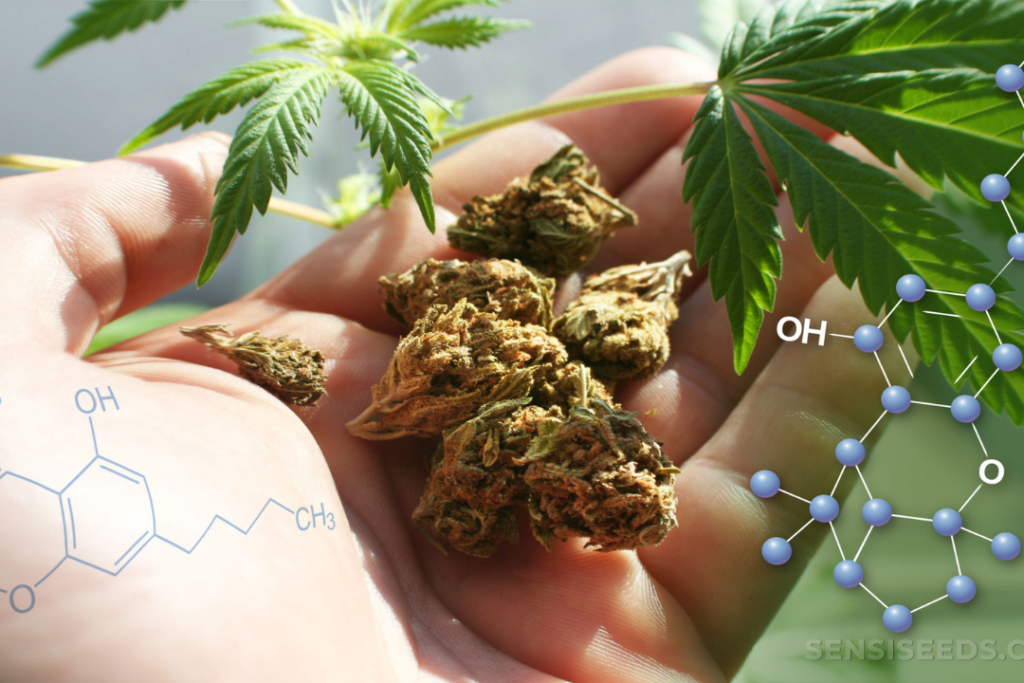
Dried cannabis flower used in approved ways depending on local regulations. This form may act more quickly but requires careful handling and guidance.
Frequently Asked Questions About Medical Marijuana
Is medical marijuana addictive?
Medical marijuana has a lower risk of dependence when used under medical supervision, though misuse can increase that risk.
Can medical marijuana make you feel “high”?
Products containing THC may cause psychoactive effects. CBD-only products generally do not.
Do you need a prescription for medical marijuana?
In most regions, yes. Access usually requires approval from a qualified healthcare professional.
Is CBD the same as medical marijuana?
No. CBD is one compound found in cannabis, while medical marijuana may include CBD, THC, or both.
Can anyone use medical marijuana?
Not everyone. Suitability depends on medical factors, age, and local legal requirements.